Rajasthan Tourism


Jhalana Leopard Safari Park Gallery


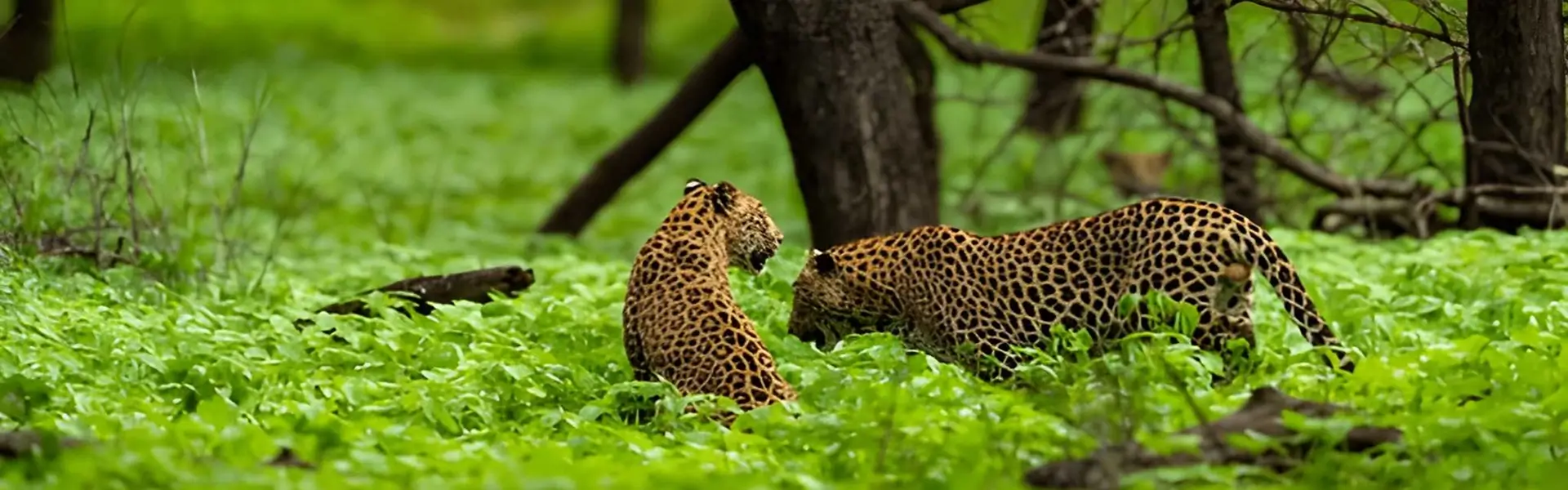
Jhalana Leopard Safari Park
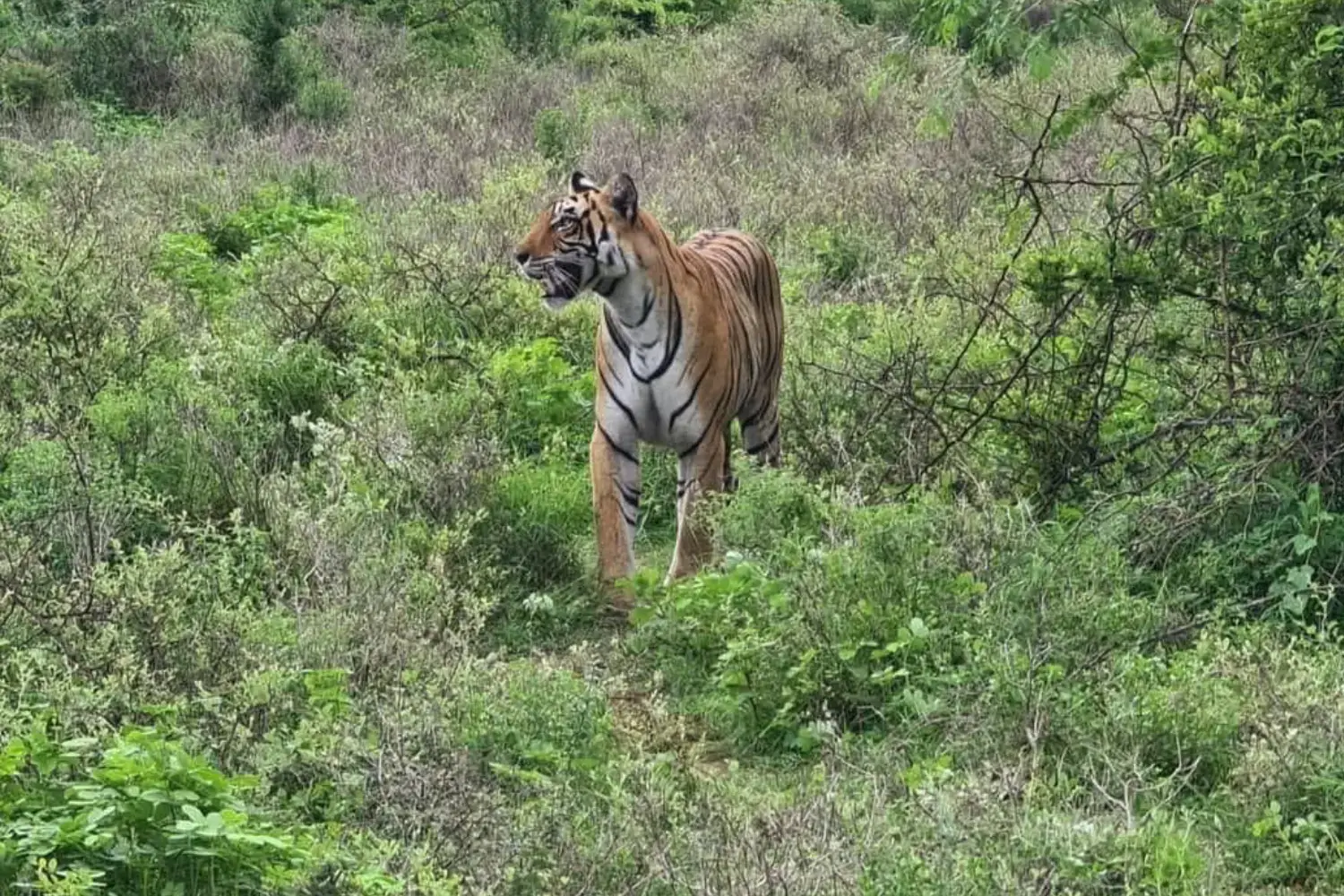
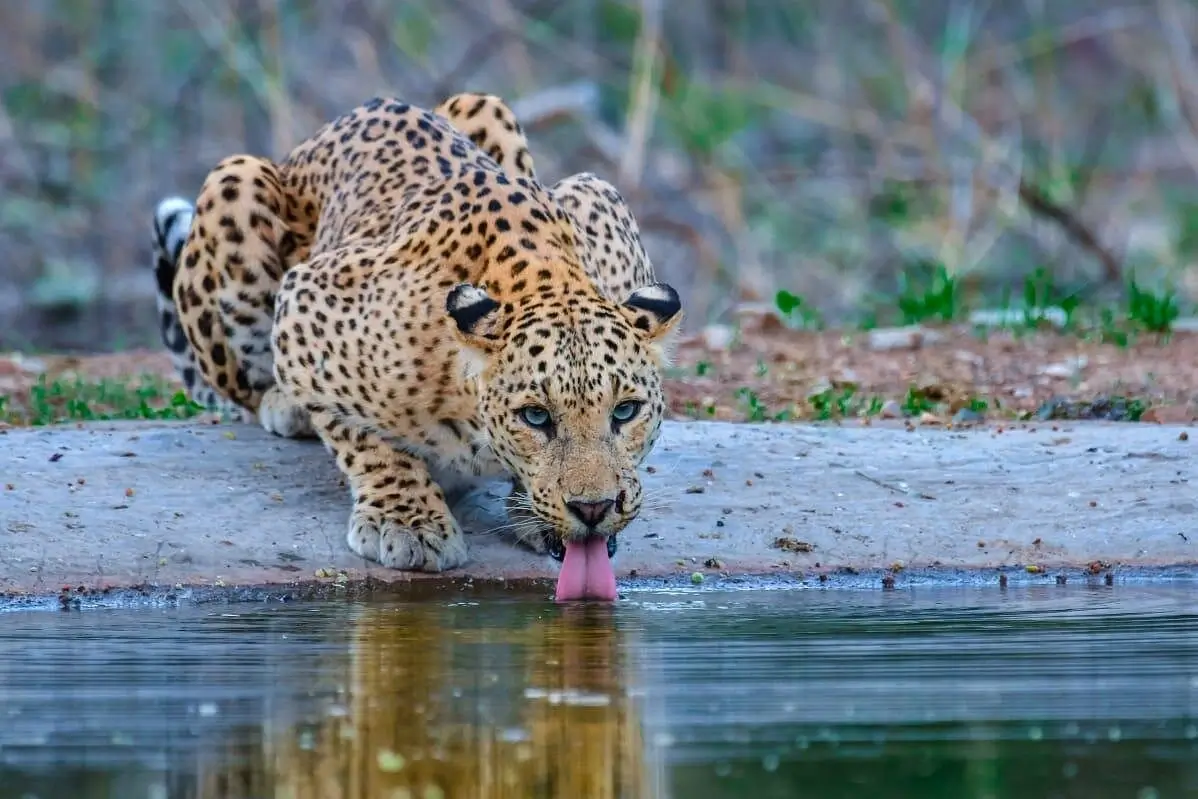
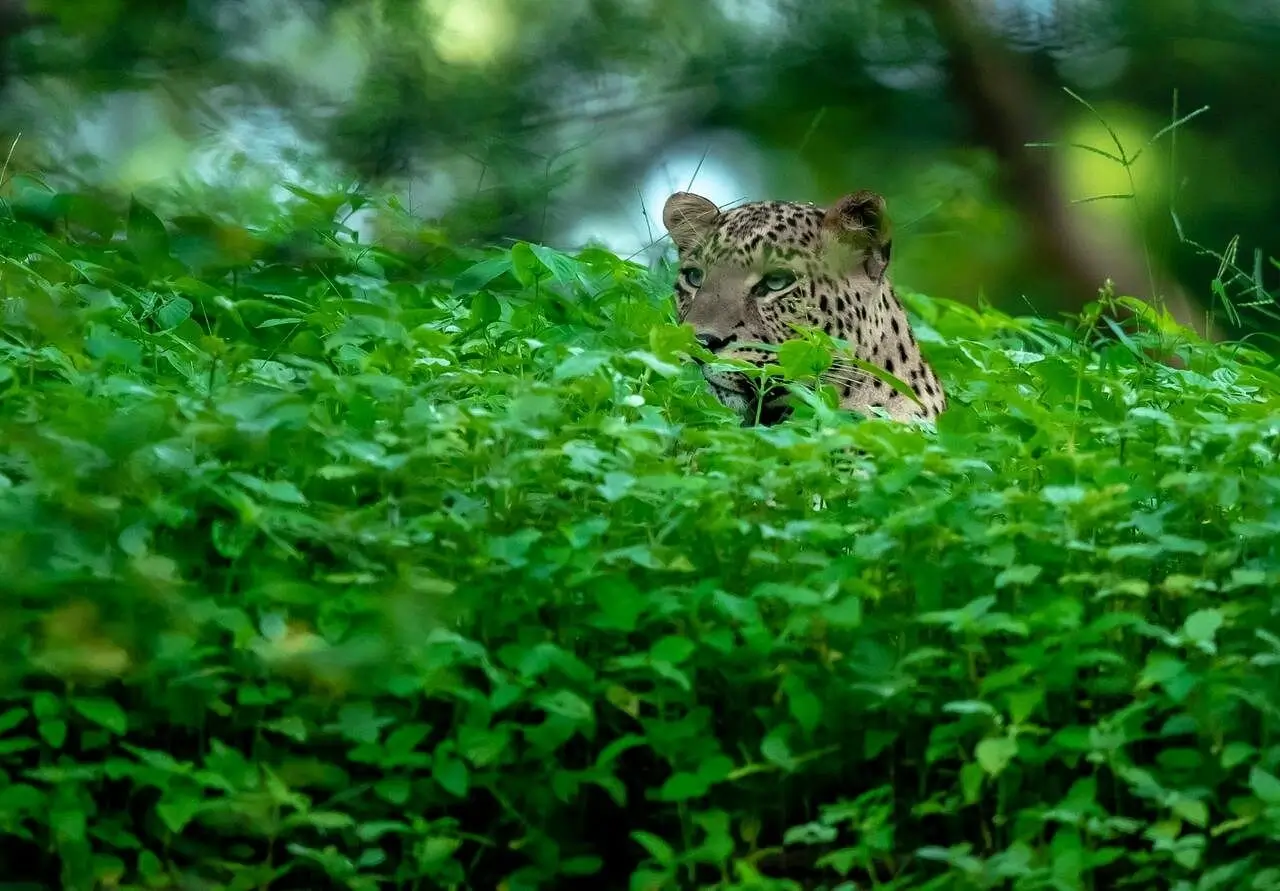
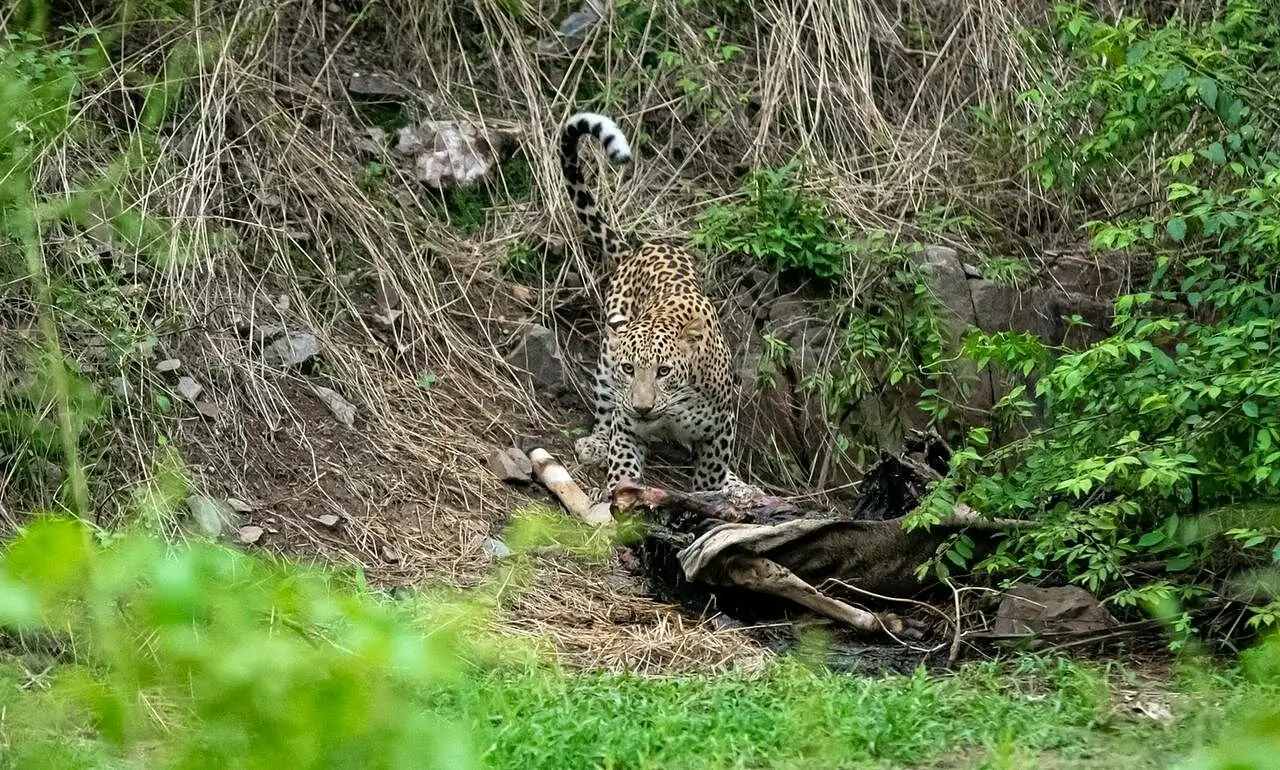
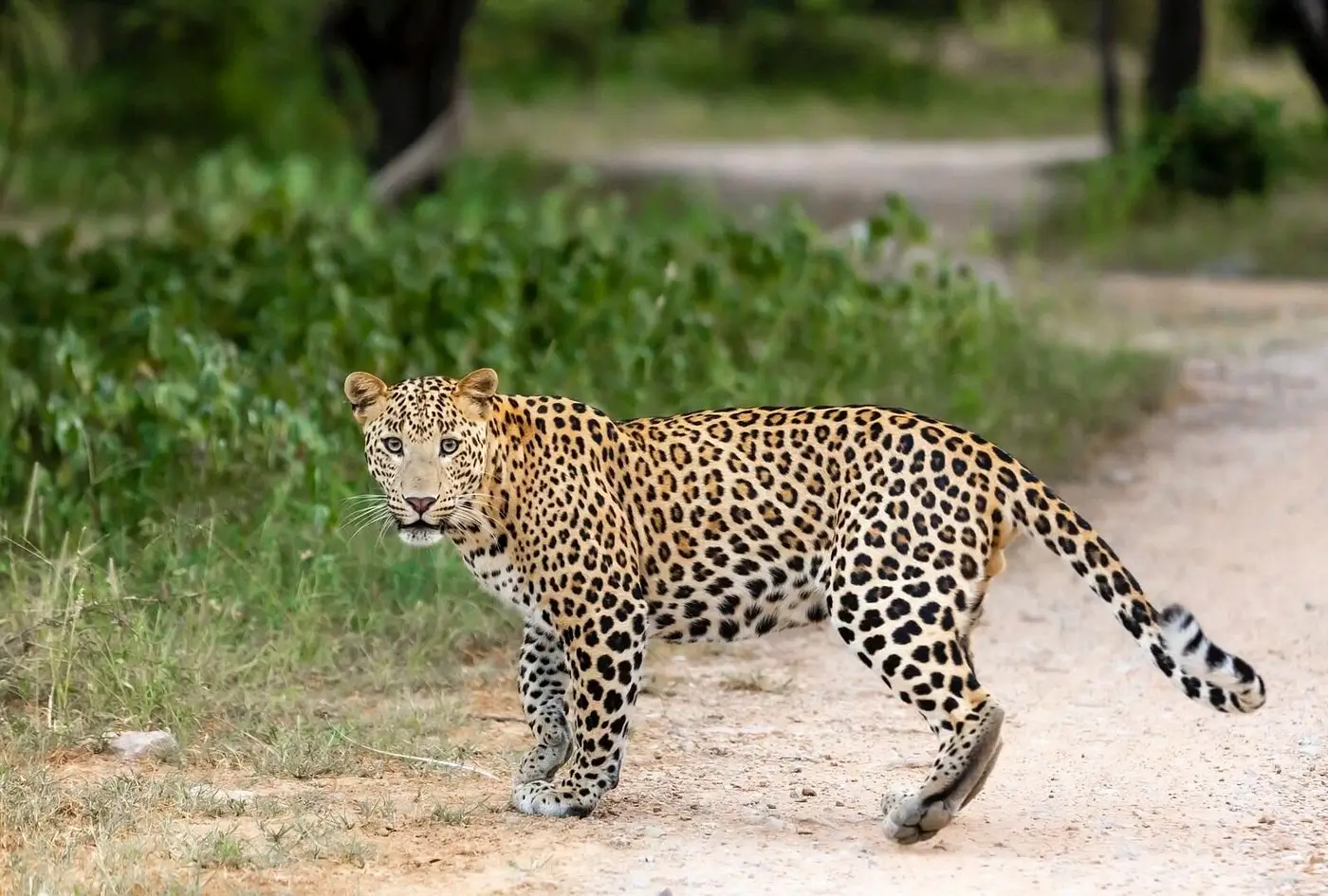
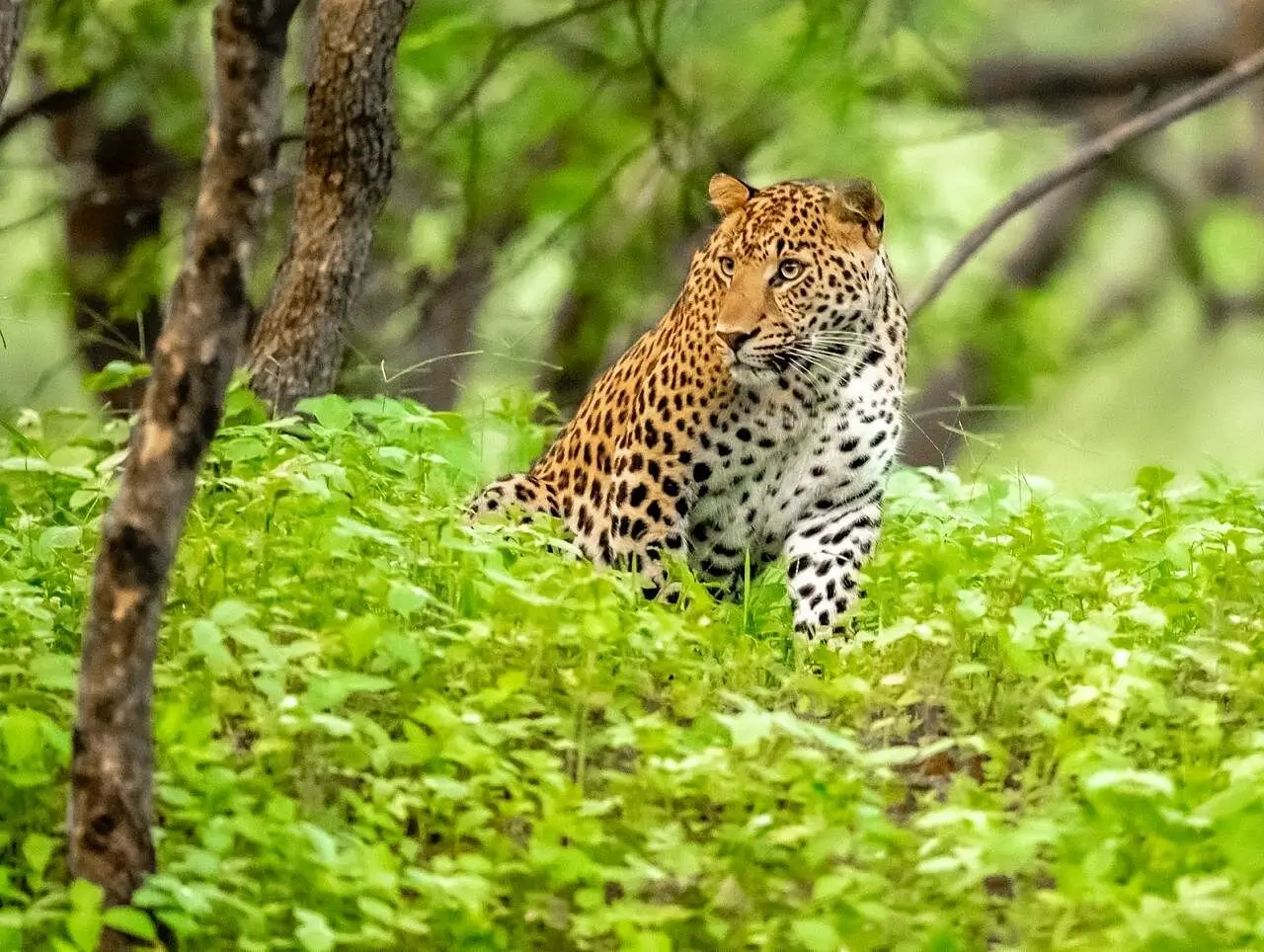
The Jhalana Leopard Reserve in Jaipur stands as one of India’s most successful examples of urban wildlife conservation. Spread across nearly 20 sq. km in eastern Jaipur at the foothills of the Aravalli Range, this compact forest patch shelters over 35–40 leopards, making it one of the highest leopard-density zones in India. Once used as a royal hunting estate, Jhalana has evolved into a thriving sanctuary under the Jhalana–Amagarh Leopard Conservation Reserve.
India’s first dedicated leopard reserve offers an exceptional opportunity to observe big cats in a natural habitat just minutes from the city. The safari experience in Jhalana is known for high sighting rates, accessibility, and landscapes framed by rugged Aravalli ridges. Alongside leopards, visitors often spot striped hyenas, desert foxes, blue bulls, and a wide variety of birds.
For travelers seeking an easy yet thrilling wildlife experience in Rajasthan, a Jhalana leopard safari tour blends adventure with urban comfort, making it one of Jaipur’s most exciting outdoor attractions.
The history of Jhalana reflects Jaipur’s transition from princely hunting traditions to modern wildlife conservation. This journey from royal shikar grounds to a protected leopard habitat makes Jhalana a model for urban ecological revival.
The Royal Hunting Era (Pre-Independence Period)
Post-Independence Transition and Decline (1948–1970s)
Revival and Protection (1980s–2000s)
Conservation Milestone and Eco-Tourism Development (2010–Present)
Set in the semi-arid landscape of the Aravallis, Jhalana is dominated by a dry deciduous forest ecosystem. Rocky slopes, narrow valleys, and open grasslands host diverse vegetation essential for supporting herbivores, birds, and predators.
| Species | Description |
|---|---|
| Dhok (Anogeissus pendula) | Makes up nearly 80% of the canopy; drought-resistant, crucial for shade and herbivore food. |
| Khejri (Prosopis cineraria) | Rajasthan’s state tree; enriches soil, provides shade, and supports local wildlife. |
| Salar (Boswellia serrata) | Thrives on rocky slopes; prevents soil erosion; source of Indian frankincense. |
| Kumta (Acacia senegal) | Known for gum Arabic; offers nectar for pollinators and nesting spots. |
| Kair (Capparis decidua) | Dominant shrub; edible berries sustain birds and small herbivores. |
| Babul (Acacia nilotica) | Common in valleys; its bark and pods support various species. |
| Gular (Ficus racemosa) | Attracts birds, bats, and monkeys; aids natural regeneration. |
| Ronjh (Acacia leucophloea) | Seasonal shedding; revives with monsoon, supporting forest cycles. |
Invasive Species and Habitat Restoration
A significant conservation challenge remains the spread of Prosopis juliflora, an invasive shrub that suppresses native grasses. The Forest Department conducts systematic removal and grassland restoration to support prey density and maintain ecological balance.
Jhalana Leopard Safari Park supports a rich and balanced wildlife population despite being located within Jaipur city limits. The reserve’s restored habitat, healthy prey base, and protected terrain allow a variety of mammals, birds, reptiles, and especially leopards to thrive.
| Category | Species/Details | Notes |
|---|---|---|
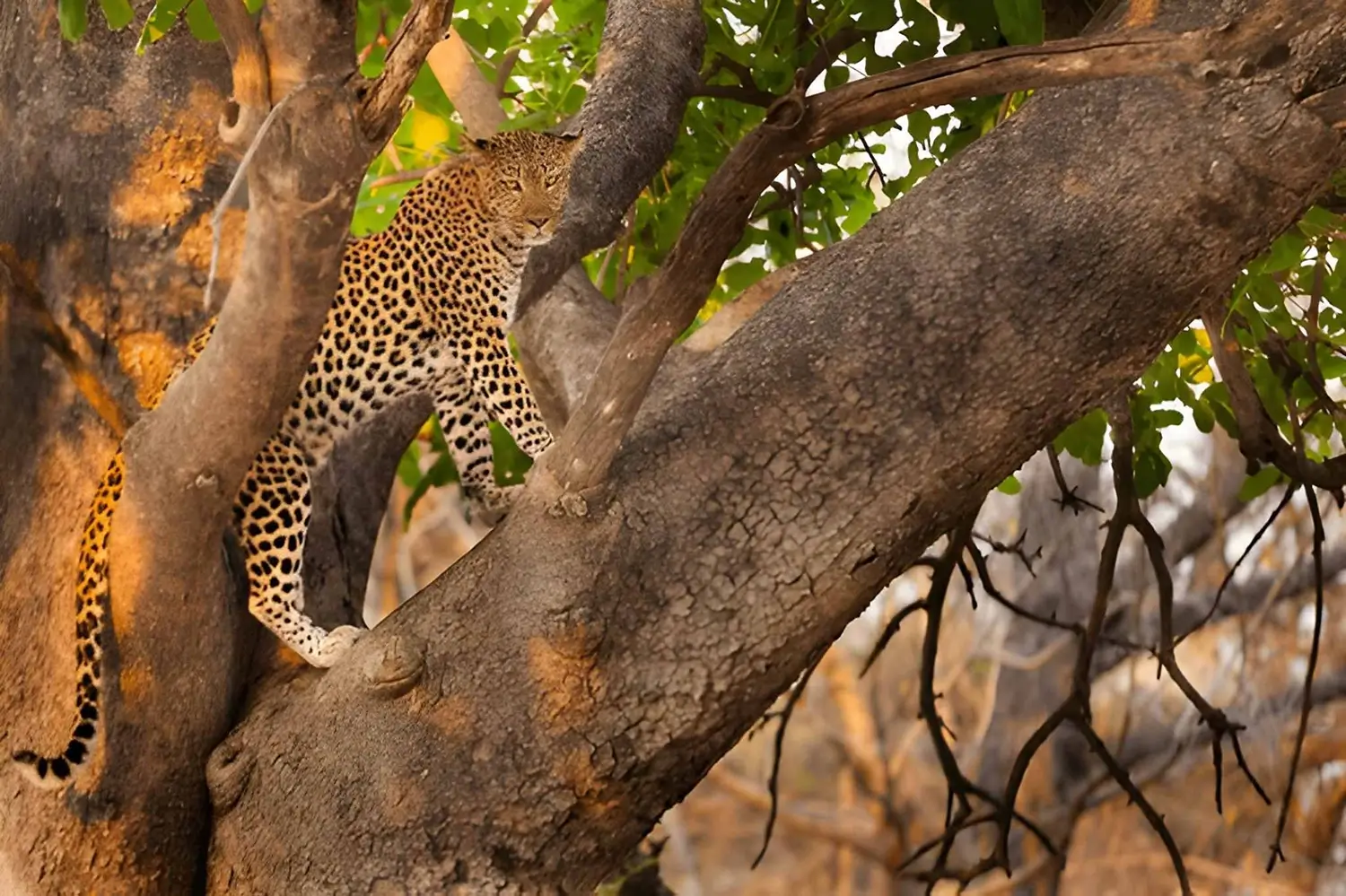
| Leopard (Apex Predator) | Indian Leopard (Panthera pardus) | Estimated 35–40 adults + cubs; high sighting rate; uses rocky ridges and scrub forests; one of India’s best urban leopard habitats. |
| Mammals | Striped Hyena | Often spotted during dawn/dusk, a key scavenger maintaining ecological balance. |
| Blue Bull (Nilgai) | The largest antelope in India; supports predator diet. | |
| Spotted Deer (Chital) | Abundant prey species; common sight in open woodlands. | |
| Jungle Cat | Seen in grassland patches and central zones. | |
| Rusty-Spotted Cat | Extremely elusive; among the world’s smallest wild cats. | |
| Desert Fox | Frequently observed in the eastern, scrub-rich zones. | |
| Indian Civet | Mostly nocturnal; seen near dense undergrowth. | |
| Jackal | Common across peripheral trails and forest edges. | |
| Monitor Lizard | Often seen basking on rocks; contributes to pest control. | |
| Porcupine | Nocturnal burrow dweller of rocky terrain. | |
| Mongoose | Active hunter of insects and small reptiles. | |
| Birds (210–220 species) | Indian Pitta | Seasonal migrant known for vibrant colors. |
| Asian Paradise Flycatcher | A highlight species, especially the male with the long white tail. | |
| Eurasian Roller | Easily spotted along open tracks. | |
| Honey Buzzard | Seen soaring above valleys and ridgelines. | |
| Serpent Eagle | Typically perched on treetops scanning for prey. | |
| Owls (Multiple species) | Includes Indian Eagle-Owl & Spotted Owlet. | |
| Woodpeckers, Robins, Buntings | Common across both zones. | |
| Indian Peafowl | The state bird of Rajasthan, abundant and part of the leopard diet. | |
| Reptiles (~20 species) | Snakes | Various species contributing to ecological balance. |
| Geckos | Found in rocky and shaded areas. | |
| Monitor Lizards | Common and easily sighted along safari trails. |
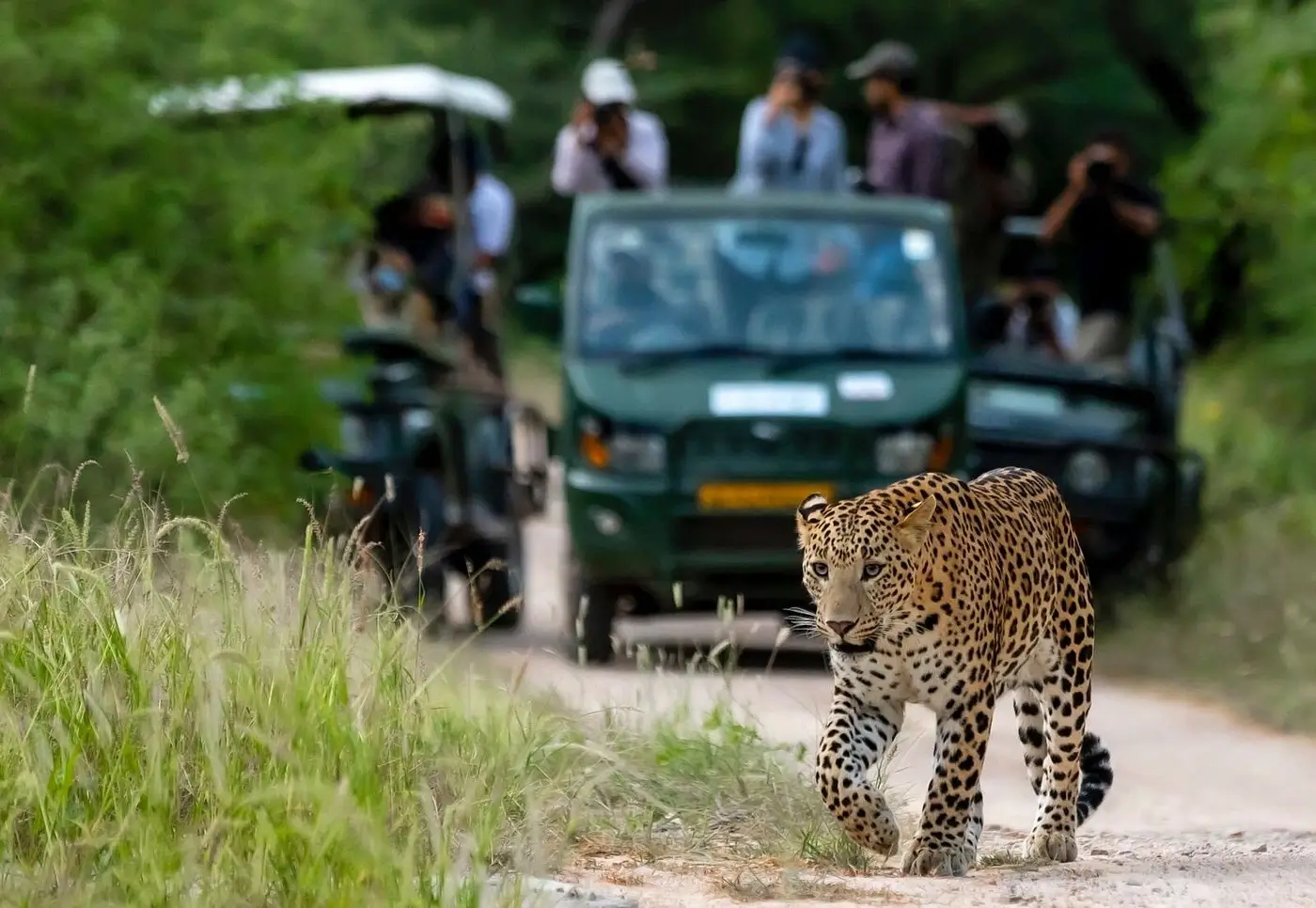
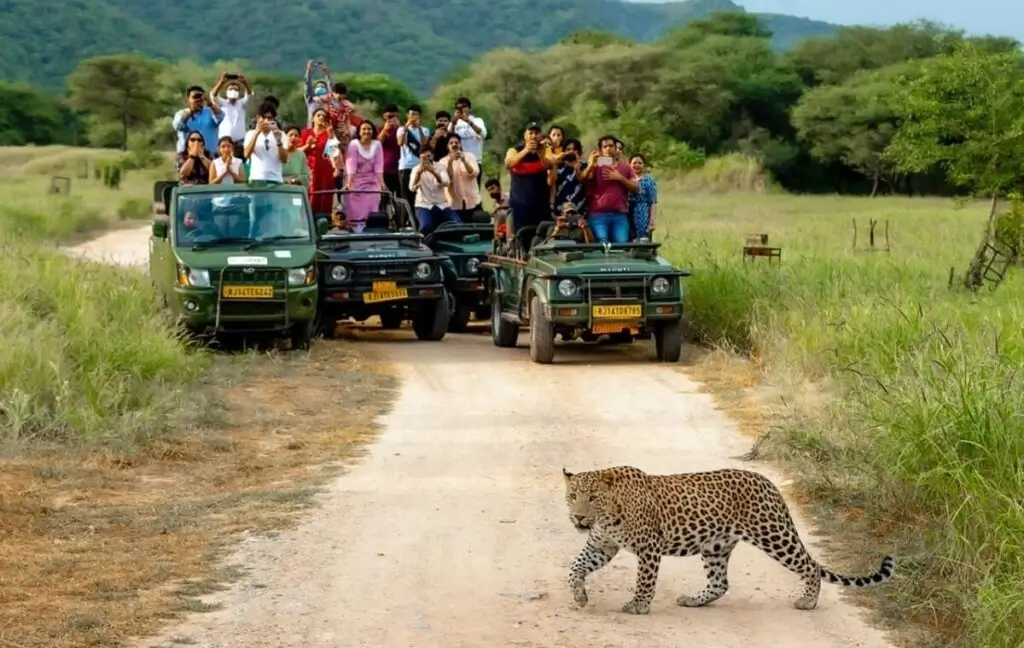
A safari in Jhalana offers an immersive wildlife experience within Jaipur city limits. Conducted in open-top 4x4 Gypsy vehicles, each safari is led by an experienced driver and a trained forest guide.
Limited Safari Vehicles : To protect wildlife, only limited vehicles are permitted per shift. With this initiated noise and disturbance are minimized. Morning and evening shifts offer complementary wildlife experiences.
Booking Tip : Advance Jhalana Safari booking is essential during peak seasons (October–March) and weekends to secure preferred slots.
Safari timings change seasonally based on sunrise and sunset. Below is the general schedule:
| Season | Time Period | Morning Shift | Evening Shift |
|---|---|---|---|
| Winter | Nov 1 – Jan 31 | 7:00 AM – 9:30 AM | 3:15 PM – 5:45 PM |
| Spring/Early Summer | Feb 1 – Mar 31 | 6:15 AM – 8:45 AM | 3:45 PM – 6:15 PM |
| Summer | Apr 1 – May 31 | 5:45 AM – 8:15 AM | 4:15 PM – 6:45 PM |
| Monsoon | Jun 1–Jul 31 | 5:45 AM – 8:15 AM | 4:45 PM – 7:15 PM |
Note: Safari timings in Jhalana may change slightly with changing daylight. It's best to confirm the updated schedule at the time of booking.
The Jhalana Leopard Safari Park is divided into key safari zones that help regulate visitor movement, reduce disturbance to wildlife, and provide a balanced safari experience. Each zone offers a distinct landscape, style of sightings, and photographic opportunities.
| Zone | Key Features | Leopard Sightings | Other Wildlife | Best For |
|---|---|---|---|---|
| Zone 1 – Central Jhalana Zone | Core forest area with rocky ridges, open woodland, and the highest prey density. | Very High – most sightings occur here due to dense leopard territories. | Striped hyenas, nilgai, chital, jungle cats; excellent raptor & peafowl activity. | First-time visitors, photographers, travellers seeking high sighting probability. |
| Zone 2 – Jhalana Eastern Zone | Quieter trails, thicker vegetation, serene valleys with fewer vehicles. | Moderate – sightings reward patient observers; leopards use dense covers here. | Desert foxes, civets, owls, rollers, passerines. | Photographers who prefer calm settings, birdwatchers, repeat visitors. |
| Amagarh Leopard Reserve (Extension Zone) /td> | Recently opened extension with broader habitat and scenic terrain near historical Amagarh Fort. | High – expanding leopard movement corridor; increasing sightings. | Hyenas, chital, peafowl, monitor lizards; strong raptor sightings. | Longer safaris, combined Jhalana–Amagarh tours, travelers wanting diverse terrain. |
Located centrally in Jaipur, the Jhalana Leopard Safari Park is extremely accessible.
A Jhalana safari pairs perfectly with Jaipur’s architectural and cultural landmarks.
Together, these attractions create a balanced itinerary of wildlife, heritage, and culture.
Jhalana’s success rests on strong conservation measures that protect biodiversity while enabling responsible tourism.
Visit the following links to get more information on Rajasthan tourism.