- Maharaja Gaj Singh’s Commissioning the Construction
Gajner Palace was built by Maharaja Gaj Singh of Bikaner in the 18th century. It is said that when Maharaja Gaj Singh was returning from Jaisalmer after marrying the princess there, he and his group stopped at Chandasar. His wife, feeling homesick, told him the place reminded her of Jaisalmer and asked him to create a garden there. Among the people she brought from her hometown was a skilled desert gardener. The maharaja asked the gardener to develop a nearby low-lying area called Magra into a garden. To support it, he built an artificial lake named Gaj Sagar. He also constructed a Jal Mahal (water palace) for her and established a village nearby, which he named Gajsinghpura. Over time, the name changed to Gajner.
- Development by Other Rulers
In 1808, the palace there was destroyed by Jodhpur’s forces during a siege of Bikaner. Later rulers, Sardar Singh, Dungar Singh, and Ganga Singh rebuilt the palace and developed a canal system. After a severe famine in 1899 dried up Gaj Sagar, Ganga Singh deepened and widened the lake so it could store enough water to last two years. The lake could hold 50 million cubic feet (about 1.4 billion liters) of water and covered a catchment area of 50 square miles (around 130 square kilometers).
- Further Development by Maharaja Ganga Singh
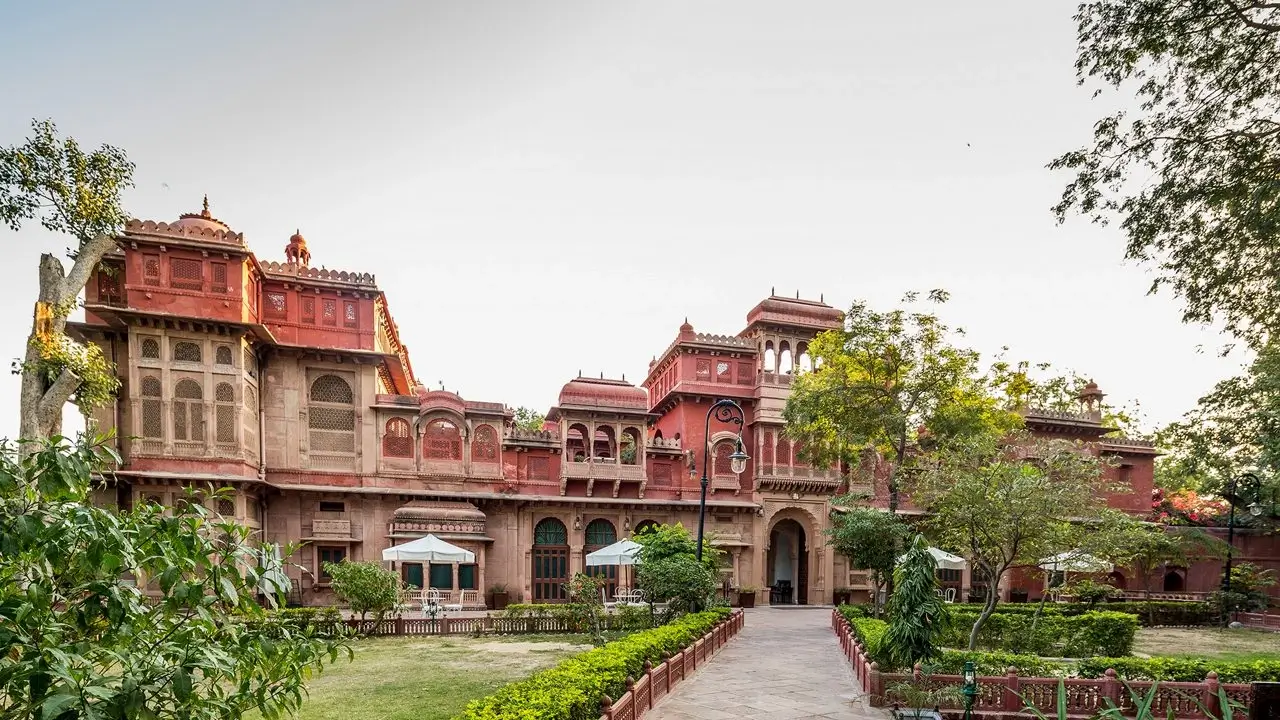
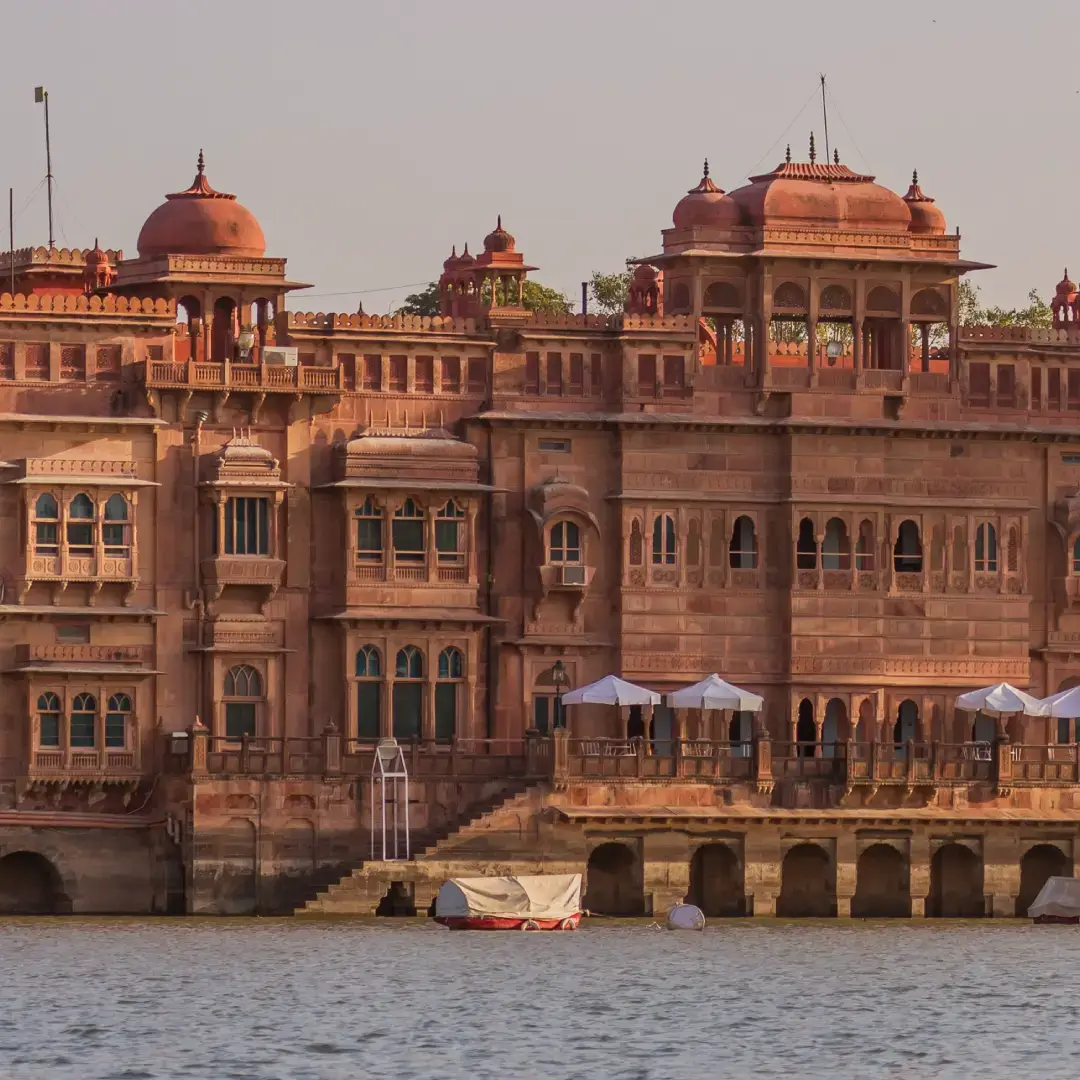
Ganga Singh later hired British architect Samuel Swinton Jacob, who also designed Lalgarh Palace, to design a new palace at Gajner. Built between 1910 and 1913 from pink sandstone, this palace had all modern comforts and a separate wing for guests. It was called Gajner Palace. The interiors were furnished by John Roberts and Co. from Bombay (now Mumbai). Ganga Singh’s grandson, Karni Singh, was a vegetarian influenced by his mother and opposed hunting. He only practiced clay pigeon shooting and opened part of the palace to his private guests. He also discouraged hunting on the estate.
- Important Dignitaries Visiting the Palace
During the colonial era, the palace hosted many dignitaries and British officials, including the Prince of Wales (who later became King Edward VIII), Viceroys of India, and other high-ranking colonial officers. These visits aimed to strengthen connections with the princely state of Bikaner, which played a vital role in imperial politics.
- Conversion into Heritage Hotel
Following India’s independence and the decline of princely states, Gajner Palace, once an exclusive royal retreat, was eventually repurposed to preserve its legacy and open to the public. The HRH Group of Hotels restored and converted it into a heritage hotel, keeping the original charm, architecture, and royal elegance.
The transformation was carefully done to maintain the palace’s historical integrity. The red sandstone structure, antique furniture, traditional decor, and royal suites were preserved while adding modern amenities for guest comfort. Today, visitors can stay in rooms that royalty and dignitaries once used, surrounded by vintage artwork, spacious courtyards, and lakeside balconies.
This conversion has made Gajner Palace one of the most luxurious and culturally rich places to stay in Bikaner. It is not only a popular tourist spot in Bikaner, but also a destination that allows travelers to experience royal hospitality, earning it a spot among the best tourist places in Bikaner.
Architecture and Design of Gajner Palace
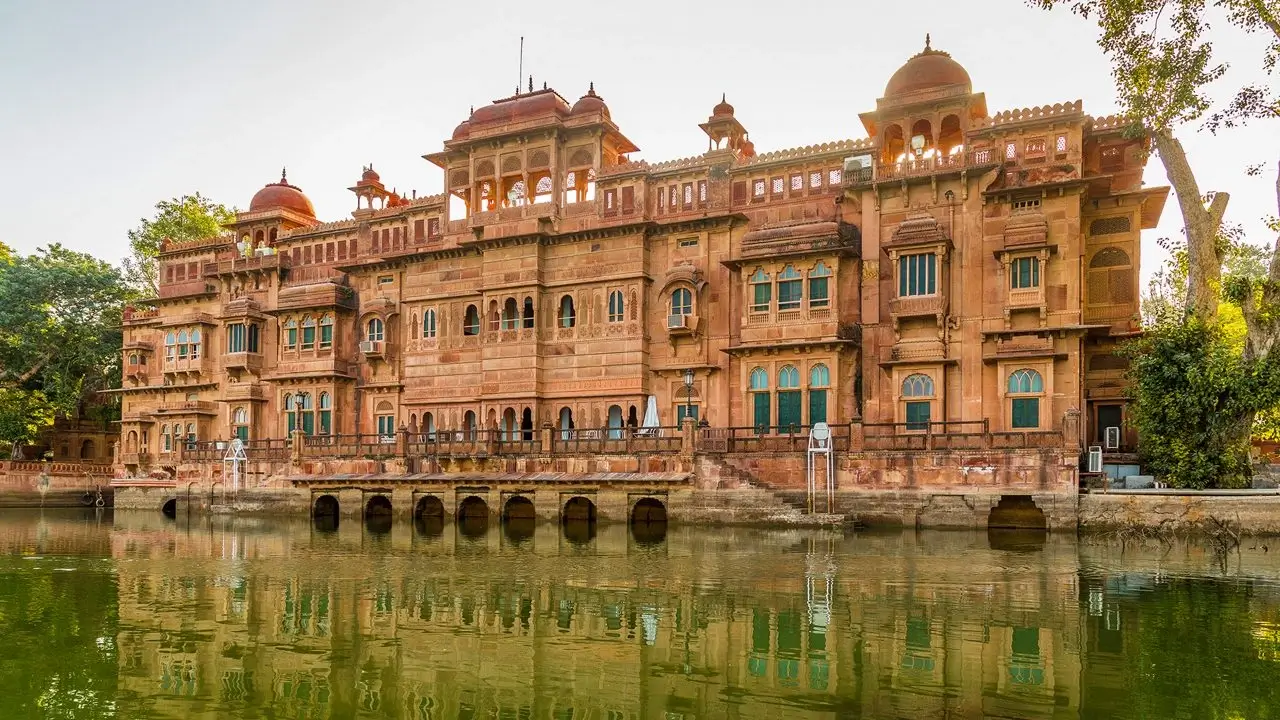
Gajner Palace is a beautiful example of Rajasthani architecture. Its compound stretches over 6000 acres and is divided into four wings: Dungar Niwas, Mandir Chowk, Gulab Niwas, and Champa Niwas. Built with red sandstone, the palace features intricate stone carvings, jharokhas, chhatris, and latticed windows.
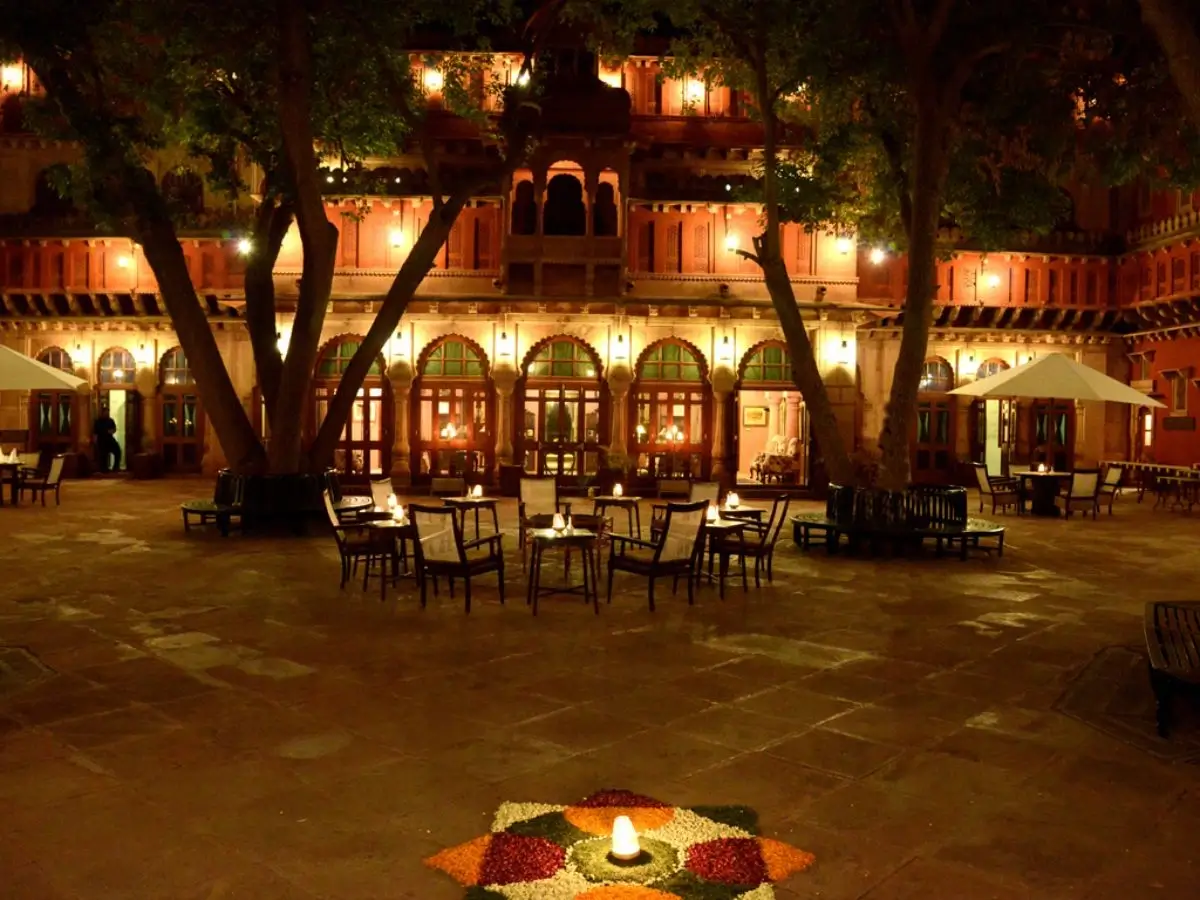
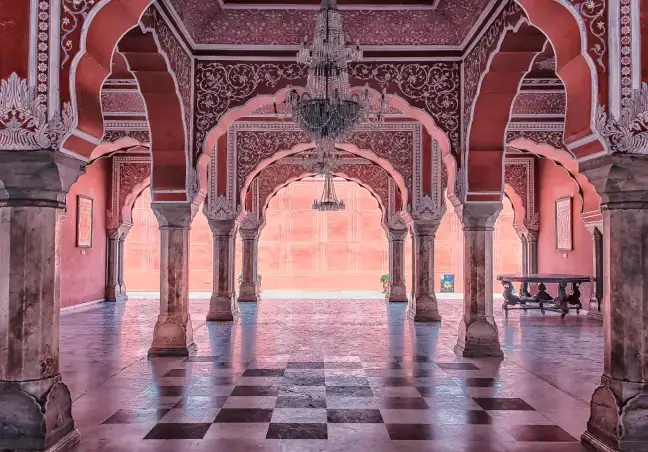
The palace's layout offers both comfort and grandeur. The central courtyard is lined with arched corridors, high ceilings, and delicately carved facades, reflecting influences from the Rajputs and Mughals. The rooms and suites hold vintage furniture, grand mirrors, and antique chandeliers, capturing the splendor of royal Rajasthan.
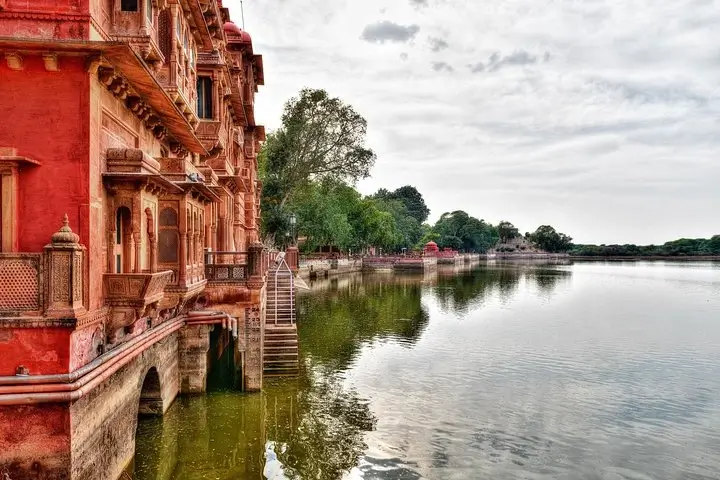
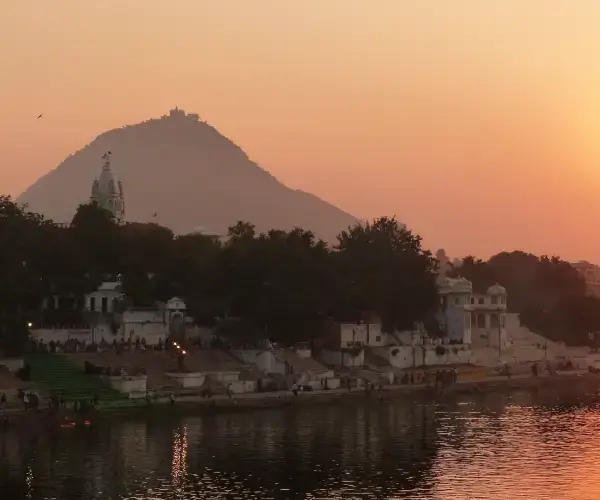
One unique architectural feature is the palace’s connection to Gajner Lake. Several balconies and terraces open directly to the lake, providing peaceful views and a steady breeze. This design served as both a cooling system and a scenic backdrop.
Lakeside Setting and Natural Surroundings
One of the most unique features that set Gajner Palace apart from other attractions in Bikaner is its peaceful lakeside location. Built along Gajner Lake, the palace provides stunning views and a calm environment. It is an ideal retreat for those seeking peace and nature.
The lake improved the palace's beauty and also served a practical purpose for the royals; it helped cool the area and provided a home for various wildlife. In the early 20th century, this region was part of the royal hunting grounds, abundant in plant and animal life.
Today, the palace’s green gardens and lakeside walkways host many bird species, including imperial sand grouse, flamingos, and migratory birds, especially in winter. The surrounding foliage also supports animals like nilgai and chinkara, making it a great spot for eco-tourism.
This unique natural setting makes Gajner Palace a standout among the top attractions in Bikaner. It offers a rare mix of royal luxury and natural beauty.
Wildlife and Birdwatching
One of the most interesting features of Gajner Palace is how close it is to the Gajner Wildlife Sanctuary. This makes it a great spot for wildlife lovers and birdwatchers. The sanctuary was once the private hunting grounds of the Bikaner royals. Now, it plays a key role in eco-tourism and Bikaner tourism. The sanctuary is home to desert-adapted animals like nilgai (blue bull), chinkara (Indian gazelle), wild boars, and desert foxes. The forested area around the lake offers shelter and breeding grounds for these species. Visitors have rare chances to see wildlife in their natural setting.
Birdwatchers will find Gajner particularly appealing in winter. Thousands of migratory birds, such as flamingos, pelicans, and the imperial sand grouse, come to the lake during this time. The lake’s calm waters and natural plants create an ideal place for these birds to nest and feed. This unique combination of nature and history boosts Gajner’s reputation as one of the most special places to visit in Bikaner. It attracts not only history enthusiasts but also nature photographers and wildlife explorers.
Interesting Facts About Gajner Palace
- Gajner Palace was once linked to Bikaner city by its own narrow-gauge railway line; this line was used solely by the royal family.
- The palace is made entirely of red sandstone. It reflects traditional Rajasthani craftsmanship.
- Maharaja Ganga Singh loved this retreat. He hosted British dignitaries, including the Prince of Wales and Viceroys of India.
- Gajner Lake, attached to the palace, is an artificial lake that adds to the palace’s charm and offers a haven for migratory birds.
- The palace complex spans over 6,000 acres, including wooded areas that now make up the Gajner Wildlife Sanctuary.
- Vintage photos, royal hunting trophies, and antique furniture are still kept in the hotel rooms.
- The palace has appeared in several travel documentaries and luxury travel magazines as one of the top travel spots in Bikaner.
Additional Details :
- Opening Hours : 9:00 AM – 8:00 PM (for visitors not staying at the hotel)
- Entry Fee : ₹100 (approx.) for day visitors; separate charges apply for hotel guests
- Address : Gajner, Tehsil Kolayat, Bikaner, Rajasthan- 334301, India
 Rajasthan Tourism